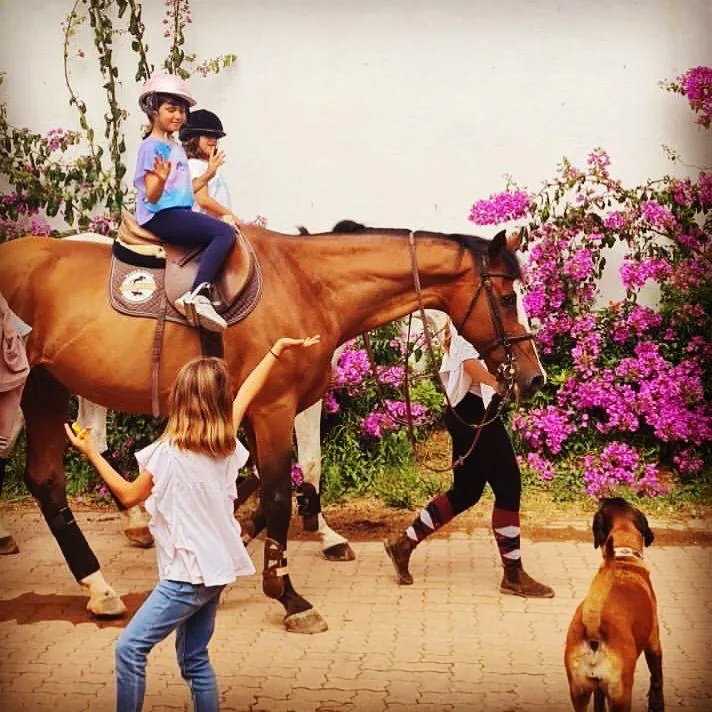
Portugal is not the first country most people think of for horseback riding — Ireland, Spain, and Iceland tend to get the attention. That is a mistake. Portugal has one of the oldest and most refined equestrian traditions in Europe, a native horse breed considered among the finest in the world, and a coastline and countryside genuinely built for riding. For visitors planning a trip that includes horseback riding in Portugal, there is a lot more on offer than most guidebooks let on.
This guide covers the country’s riding tradition, the regions where it is concentrated, what a visitor can realistically expect to pay, and how to book a lesson or trail ride near Lisbon — the easiest and most practical base for most travellers.
Why Portugal Is a Serious Riding Destination
Horses are not a tourist attraction bolted onto Portuguese culture — they are part of it. The Lusitano, Portugal’s native horse breed, has been bred for over two thousand years for exactly the qualities that make a good riding horse: intelligence, balance, and a calm, willing temperament. It is one of the oldest saddle-horse breeds in the world and remains the horse of choice for classical dressage and for the cavaleiros of Portuguese bullfighting.
That depth of tradition shows up in the quality of instruction available to visitors. Portuguese riding instructors trained through the Federação Equestre Portuguesa (FEP) follow a rigorous, classically-grounded curriculum, whether they are teaching a complete beginner or coaching a competition rider.
Add a mild Atlantic climate — over 300 days of sunshine a year — and varied terrain ranging from Atlantic dunes to cork-oak plains, and it becomes clear why riders who do their research end up including Portugal in their travel plans specifically for the horses.
Where Riding Is Concentrated in Portugal
Not every region of Portugal offers the same riding experience. Broadly, three areas matter for visitors:
Alentejo and Ribatejo — The Heartland of the Lusitano
South and east of Lisbon, the plains of the Alentejo and Ribatejo are where most Lusitano horses are bred and where Portugal’s equestrian tradition runs deepest. The town of Golegã, known as the “capital of the horse,” hosts Portugal’s most important equestrian fair every November. This region is fascinating for enthusiasts but requires a car and more travel time — it is not a practical base for a short visit.
Sintra-Cascais Coast — The Practical Choice for Visitors
The stretch of coastline between Sintra and Cascais, just west of Lisbon, is where equestrian tourism actually concentrates. Pine forests, Atlantic dune trails, and one of the largest equestrian complexes in the Iberian Peninsula — the Centro Hípico da Quinta da Marinha — all sit within 30 minutes of Lisbon Airport. For anyone whose trip is centred on Lisbon, this is the realistic option, and it happens to offer some of the country’s best trail riding along the way.
The Douro and the North
Portugal’s northern wine regions offer scenic riding through vineyards and river valleys, but options are scattered and less developed for casual visitors. Worth considering only if riding is a secondary activity on a Douro-focused itinerary.
For most people searching for horseback riding in Portugal as part of a Lisbon trip, the Cascais area offers the best combination of quality, accessibility, and choice.
What Kind of Riding Experience Are You Looking For?
Before booking, it helps to know what you actually want out of the day.
Trail Rides for Visitors with No Experience
A guided trail ride, known locally as a passeio a cavalo, requires no previous riding experience. You ride out in a small group behind a guide, at a pace suited to your ability, through terrain you simply cannot access on foot. Near Cascais, this means the pine forests of Quinta da Marinha and the dune trails close to Praia do Guincho, with the Atlantic in view for most of the route.
Best for: tourists with limited time, families, couples wanting a memorable one-off activity.
Structured Lessons for Learning to Ride Properly
If your trip allows for more than one session, or you already have some riding background you want to build on, a proper lesson with a certified instructor is worth the extra structure. Lessons follow the FEP curriculum and focus on posture, balance, and communication with the horse — not just staying on.
Best for: visitors staying longer than a few days, expats considering settling in Portugal, riders who want to actually improve rather than just experience.
At Miguel Alves Horses, lessons are taught by Miguel Alves, a certified Monitor FEP since 1997, in Portuguese, English, or French — a genuine advantage for international visitors who do not want language to get in the way of instruction.
Realistic Prices for Horseback Riding in Portugal
Prices vary by region and by the type of experience, but the figures below — from Miguel Alves Horses in Cascais — are representative of what a visitor should expect near Lisbon. All prices exclude VAT.
Trail Rides
| Duration | Price |
|---|---|
| 30 minutes | €35 |
| 60 minutes | €60 |
| 90 minutes | €80 |
| 120 minutes | €120 |
Individual Lessons
| Format | Price |
|---|---|
| Beginner lesson (30 min) | €40 |
| Advanced lesson (50 min) | €60 |
| Private lesson (50 min) | €75 |
Visitors staying longer than a week or two sometimes opt for a 12-lesson card at €600, valid for six months — useful if you plan to return to Portugal within that window. The full price list, including monthly plans for residents, is on the prices page.
What to Expect on the Day
Booking: Contact the school in advance — same-day availability is not guaranteed, especially between June and September. State your riding level honestly; it affects which horse you are matched with.
Arrival: You will be met by your guide or instructor and given a short safety briefing covering how to approach the horse, mount and dismount, and handle the reins.
Equipment: A certified helmet and body protector are provided free of charge. Bring comfortable trousers (not shorts) and flat, closed shoes — trainers are fine.
Language: At Miguel Alves Horses, instruction is available in Portuguese, English, and French, so visitors from most of Western Europe and North America will have no communication barrier.
Duration and pace: For trail rides, the guide sets a pace appropriate to the group’s experience level. For lessons, the instructor works with you individually from the first minute, even within a group class.
Getting There from Lisbon
The Centro Hípico da Quinta da Marinha sits in Cascais, roughly 30 km west of Lisbon.
By car: Take the A5 motorway westbound; the journey takes about 30 minutes outside rush hour. Free parking is available on site.
By train: The Linha de Cascais from Cais do Sodré station reaches Cascais in around 40 minutes. From there, a short taxi or ride-share covers the final stretch to Quinta da Marinha.
Address: Rua do Mirante, Casa 25 Pátio E, 2750-004 Cascais.
For questions about scheduling or to check availability before your trip, use the contact page or call +351 918 101 733. The school is open every day of the week, 08:00–20:00.
Frequently Asked Questions
Do I need riding experience for horseback riding in Portugal? No. Trail rides are designed for complete beginners, and riding lessons start from the absolute basics. Guides and instructors assess your level before you get on a horse and adjust accordingly.
What is the Lusitano horse, and will I ride one? The Lusitano is Portugal’s native breed, prized for its calm temperament and athleticism. Many riding schools in Portugal, including those in the Cascais area, use Lusitanos or Lusitano crosses among their lesson and trail horses.
Is Cascais the best base for horseback riding near Lisbon? For most visitors, yes. It combines quality equestrian infrastructure — including the Centro Hípico da Quinta da Marinha — with easy access from Lisbon and Lisbon Airport, roughly 30–40 minutes away by car or train.
Can I ride on the beach in Portugal? Not at Guincho — the dune ecosystem there is legally protected, so riding is confined to designated trails rather than the sand itself. The trade-off is minor: the dune paths still offer uninterrupted Atlantic views for most of the ride.
What time of year is best for horseback riding in Portugal? Any time. The Atlantic climate around Lisbon keeps winters mild, and covered arenas mean lessons continue regardless of weather. Spring and autumn offer the most comfortable conditions for longer trail rides.
How far in advance should I book? A few days’ notice is usually enough outside peak season. Between June and September, and around Portuguese public holidays, booking a week ahead is safer, particularly for group trail rides.