
Horseback Riding in Portugal: A Visitor’s Guide
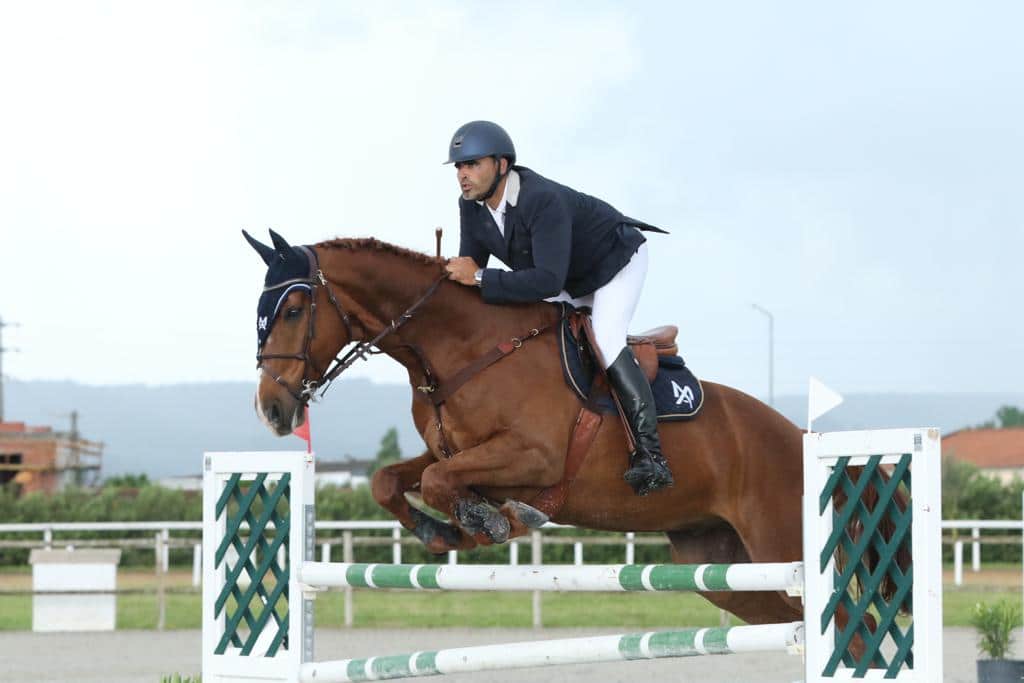
Portugal is one of Europe’s great undiscovered destinations for horseback riding. The country has a living equestrian tradition stretching back thousands of years — home to the Lusitano, one of the oldest horse breeds in the world, and a style of classical riding recognised by UNESCO as an Intangible Cultural Heritage. Whether you’re after a single trail ride during a city break or a full riding holiday, Portugal delivers landscapes and horses that are hard to match anywhere else on the continent.
Portugal’s equestrian heritage
The relationship between Portugal and the horse goes back to pre-Roman times. The Lusitano breed was developed on the Iberian Peninsula over millennia, shaped by the demands of war, cattle work and the Portuguese art of classical riding. By the 18th century, the Royal School of Equestrian Art in Lisbon was influencing riding academies across Europe. That tradition is still alive. Portugal is one of the few countries where classical dressage is practised not as a competitive sport but as a living art form — with riders in traditional costume performing figures that haven’t changed in centuries. For visitors, this cultural depth adds a layer to the riding experience that you simply don’t find in most equestrian destinations.Types of horseback riding experiences in Portugal
The range of riding on offer in Portugal is wider than most visitors expect:- Coastal trail rides — guided rides along beaches and dunes, with the Atlantic as backdrop. The stretch between Cascais and the Guincho headland is among the most spectacular in Europe.
- Riding lessons — available at equestrian centres throughout the country, from introductory sessions for tourists to structured programmes for riders looking to develop their technique during a longer stay.
- Multi-day riding holidays — typically based in the Alentejo, Portugal’s vast interior plain. Riders follow ancient drovers’ routes through cork oak forests and vineyards, staying at rural quintas along the way.
- Classical dressage experiences — for riders with a background in dressage, some centres offer sessions on schooled Lusitano horses, working with movements rarely seen outside specialist academies.
- Children’s summer camps — week-long equestrian camps combining riding, horse care and outdoor activities, popular with both local families and expats based in Portugal.
The best area for horse riding near Lisbon
For visitors based in Lisbon, the Cascais and Sintra Natural Park corridor is the obvious choice. It combines easy access from the capital — 35 minutes by car — with scenery that ranges from Atlantic dunes and pine forest to the dramatic ridgeline of the Serra de Sintra. Miguel Alves Horses, based at Quinta da Marinha in Cascais, is one of the most established equestrian centres in this area. Trail rides depart along the Guincho coast, lessons are available in English for all levels, and summer camps run throughout July and August. It’s a practical base for tourists wanting a half-day riding experience as well as for expat families looking for regular lessons year-round.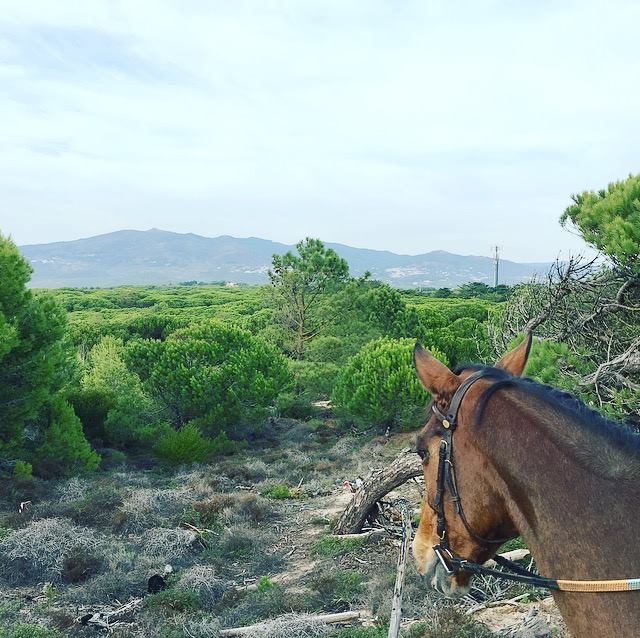
What to expect on a trail ride in Portugal
If you’ve never ridden before, here’s what a typical trail ride looks like. You arrive at the quinta and meet your horse — most centres in Portugal use Lusitanos or Lusitano crosses for trail work, chosen for their calm nature on varied terrain. Before heading out, a guide runs through the basics: how to sit, how to steer, how to stop. It takes about ten minutes and covers everything you need. The ride itself is conducted mostly at a walking pace, which is steady and easy to manage. Groups are small — typically 4 to 6 riders — and a guide stays with you throughout. The focus is on the landscape as much as the riding: you’re there to experience the place, not to pass a test. Most people finish a trail ride wanting to come back for a proper lesson. That’s how a lot of riders start.Planning your visit — when to go and what to bring
Best months: Spring (March–May) and autumn (September–November) for the best temperatures and green landscapes. Summer works well for coastal rides in the early morning or late afternoon. Portugal rides year-round — winters are mild and trails are rarely closed. What to wear: Fitted trousers or jeans, closed-toe shoes with a small heel. No shorts, no sandals, no open-toe shoes. Riding helmets are provided at reputable centres — you shouldn’t need to bring your own. Booking ahead: Weekends and summer fill up quickly, particularly for trail rides. Book at least a week in advance for July and August. Midweek slots are generally easier to get at shorter notice.Frequently asked questions
- Is Portugal good for horseback riding?
- Yes. Portugal has one of Europe’s richest equestrian traditions, centred around the Lusitano breed. The country offers diverse terrain — Atlantic coastline, pine forest, open countryside — and equestrian centres of a high standard, particularly around Lisbon and in the Alentejo.
- What is the best region for horse riding in Portugal?
- The Cascais and Sintra area near Lisbon is ideal for tourists: stunning coastal scenery and easy access from the capital. The Alentejo is better suited for multi-day riding holidays through open countryside.
- Do I need experience to go horseback riding in Portugal?
- No. Most centres offer trail rides and lessons specifically for beginners. No prior experience needed.
- What is a Lusitano horse?
- A Portuguese breed with over 5,000 years of history. Known for intelligence, agility and a gentle temperament — excellent horses for beginners and advanced riders alike.
- When is the best time to go?
- Spring and autumn for the best conditions. Summer is fine for coastal rides in the morning or evening. Portugal rides year-round.